Source Durable Poultry Plastic Egg Tray for Farms, Homes, Shops
Find and compare 30 durable poultry plastic egg tray options from China. These stackable trays are available in various materials like PP, ABS, and cornstarch, with customization for weight, size, and color to suit farms, food shops, and home use.
Key considerations
Products List







Comprehensive Sourcing Guide
Durable Poultry Plastic Egg Tray Sourcing Guide
Procuring durable poultry plastic egg trays requires distinguishing between general packaging solutions and specialized agricultural equipment designed for high-volume farm operations. The market offers a diverse range of materials, including rigid plastics like ABS and PP, as well as biodegradable options such as cornstarch, each serving different operational needs. Buyers must first identify whether their primary requirement is for long-term reuse in industrial farms or single-use transport for specific logistics chains, as this decision dictates the material selection and structural integrity required.
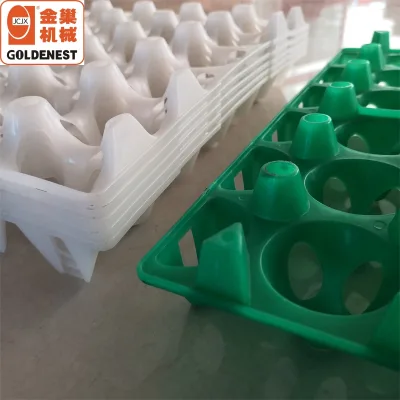
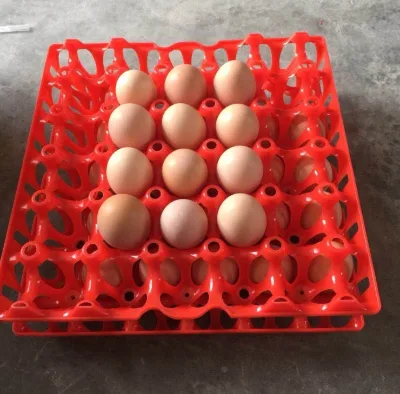
The observed product landscape includes trays specifically engineered for poultry applications, featuring solid construction and fixed installation methods to ensure stability during transport. While some listings highlight versatility for fruits, cosmetics, or electronics, the core focus for this keyword remains on trays suitable for farms and food shops. Understanding the distinction between standard models and customized variants is essential, as the latter often accommodate specific egg sizes or automated handling systems found in modern agricultural facilities.
Product Scope and Observed Listing Signals
Buyers should scrutinize the specific application tags to ensure the product aligns with poultry farming rather than general storage. The available data confirms that these trays are explicitly suitable for poultry and applicable to farms, home use, and food shops, with features like stackability and solid construction enhancing their utility. However, some listings also mention applications for water, industrial wastewater, or electronic products, which indicates a broader product line that may not be optimized for the specific mechanical stresses of egg transport.
Observations of the product range reveal significant variation in material composition, ranging from standard plastics to cornstarch-based biodegradable options. The color palette is extensive, including red, green, blue, yellow, and orange, or fully customized options, which can be critical for color-coding different egg grades or farm zones. Additionally, the presence of antistatic features in certain listings suggests advanced formulations designed to protect delicate products, a feature that may be unnecessary for standard poultry use but valuable for high-value agricultural exports.
Technical Specifications to Verify
When evaluating technical specifications, the thickness of the tray is a primary indicator of durability, with observed values around 5 mm or customizable options. Buyers must verify that the thickness is sufficient to prevent cracking under the weight of stacked trays during sea or land freight transport. The weight of the product, observed at 667g or customizable, serves as another critical metric for assessing material density and structural robustness, ensuring the tray can withstand repeated handling without deformation.
Shape and model consistency are equally vital, as the market offers square shapes and specific model designations like A, B, C, and E. These variations often correspond to different egg capacities or compatibility with specific automated sorting machinery. Buyers should confirm that the chosen model matches their existing infrastructure, particularly regarding the standard or customized size requirements, to avoid logistical bottlenecks during the loading and unloading phases of the supply chain.
Compliance and Safety Documentation
Safety and compliance documentation must be verified to ensure the materials used are safe for food contact and agricultural environments. While some listings mention ISO 9001 quality management system certificates, buyers should explicitly request documentation confirming that the plastic or cornstarch materials meet local food safety standards for direct or indirect food contact. This is particularly important for trays used in food shops or farms where hygiene is paramount to prevent contamination of the eggs.
The environmental impact of the chosen material is another compliance consideration, especially given the availability of recyclable and cornstarch-based options. Buyers should verify if the supplier provides evidence of recyclability or biodegradability claims, as these attributes are increasingly important for sustainable farming practices. Additionally, the presence of antistatic properties in certain models may require specific safety data sheets to ensure they do not introduce chemical residues that could affect the quality of the poultry products.
Cost Drivers and Commercial Terms
Cost drivers for durable poultry plastic egg trays are heavily influenced by the material type, with ABS, PP, and cornstarch commanding different price points based on raw material volatility. The observed price range of 0.03 to 35 USD reflects this diversity, where basic plastic trays sit at the lower end while specialized, customized, or biodegradable options command higher premiums. Buyers must balance the initial unit cost against the expected lifespan and replacement frequency to determine the true total cost of ownership for their operation.
Commercial terms such as Minimum Order Quantity (MOQ) and packaging methods significantly impact the procurement strategy, with observed MOQs ranging from 1 to 200,000 units. The standard shipping packaging or palletizing options must be evaluated for their ability to protect the trays during long-distance transport, particularly for sea freight from origins like Qingdao, Shandong. Negotiating flexible MOQs and customized packaging can help small to medium-sized farms manage cash flow while ensuring the products arrive in optimal condition.
Supplier Qualification and Quality Control
Supplier qualification should focus on their capacity to provide video outgoing-inspection services, which offer a transparent view of the manufacturing process before shipment. This feature allows buyers to verify the consistency of the solid construction and the accuracy of the customization, such as specific model numbers or color requirements. It is essential to confirm that the supplier has a proven track record in producing trays for the agricultural sector, rather than just general packaging, to ensure they understand the specific durability needs of poultry farming.
Quality control processes must be robust, with suppliers accepting OEM or ODM requests to tailor products to specific farm requirements. The ability to customize the weight, thickness, and shape indicates a mature manufacturing capability that can adapt to unique logistical challenges. Buyers should verify the supplier's capacity to handle large orders, as some listings indicate production capabilities for up to 100,000 units, ensuring they can meet the demands of large-scale poultry operations without compromising on quality or delivery timelines.
Long-Term Procurement Checks
Long-term procurement checks should include regular audits of the supplier's ability to maintain consistent product standards over time. Given the variation in observed models and materials, it is crucial to establish a baseline for quality that includes specific tests for stackability and resistance to cracking under load. Buyers should implement a system for periodic sampling and testing to ensure that the trays continue to meet the required specifications for thickness, weight, and structural integrity throughout the contract period.
Supply chain resilience is another critical factor, particularly regarding the shipping origin and mode of transport. With products originating from Shandong, China, and utilizing sea or land freight, buyers must assess the reliability of the logistics partners to prevent delays that could disrupt farm operations. Establishing a relationship with a supplier who offers flexible customization and reliable shipping options will ensure a steady supply of durable trays that can adapt to changing agricultural needs and market conditions.
FAQs
What materials are used for durable poultry plastic egg trays?
These trays are primarily manufactured from durable plastics such as ABS, PP, and PET. Some eco-friendly alternatives utilize cornstarch-based materials. The choice of plastic type ensures the tray remains solid, stackable, and resistant to wear during repeated transport and handling in poultry farming environments.
Can these egg trays be customized for specific farm needs?
Yes, customization is available for various product attributes. Buyers can request specific sizes, colors like red, green, blue, or yellow, and tailored weights. OEM and ODM services are accepted, allowing farms to adapt the tray dimensions and features to their specific poultry housing and transport requirements.
What is the typical MOQ for ordering plastic egg trays?
The minimum order quantity varies by supplier and material type. Common MOQs include 1000 pieces for certain plastic variants and 2000 pieces for others. Some suppliers may accept lower quantities starting from 1 unit, while bulk industrial orders can reach up to 200,000 pieces depending on production capacity.
How are these trays packaged for shipping from China?
Trays are typically packed using palletizing packaging or standard shipping packaging. This method ensures stability during sea freight and land freight transport. The packaging is designed to protect the stackable trays from damage, ensuring they arrive in good condition for immediate use in farms or food shops.
Which industries can benefit from using these plastic egg trays?
These trays are suitable for poultry farms, home use, and food shops. They are designed for transporting eggs, fruits, cosmetics, and other delicate items. The solid construction and stackable design make them ideal for various applications requiring organized, safe, and efficient storage and transport of goods.
What certifications or quality standards do these trays meet?
Manufacturers often hold ISO 9001 quality management system certificates, ensuring consistent production standards. While specific product certifications like reach or FSC are noted in background data, the primary focus is on durable plastic construction. Buyers should verify specific compliance requirements with suppliers for their target market regulations.